
The Business Of Data With Jon Lafayette: Upfronts Are Coming


Once upon a time, TV networks used their glitzy upfront presentations to show off their new primetime schedules. The stars would wave, clients would drink and eat shrimp. Eventually, billions of dollars of commercials would be sold. Now data about audiences and results are becoming a bigger part of the upfront pitch. It will be interesting to see how big a role ad tech and targeting play in this year's dog and pony shows. I'll be there and I'll let you know.

Truthset Integrates Quality Data Into The Trade Desk's Unified ID 2.0
'By making Data Rated Audiences interoperable with UID2, we’re removing 30–60% of waste caused by mistargeting,' said Truthset's Gregg Galletta

At a time when advertisers are questioning the usefulness of the data they use for targeting connected TV ad campaigns, Truthset and The Trade Desk are working to help reach authenticated audiences.
Truthset, which validates the accuracy of consumer data, is among the voices calling out the problems with some of the methods used for targeting CTV. In its State of Data Accuracy Report, released in February, Truthset estimated that $7.36 billion of the $38 billion spent on connected TV ads is wasted because many campaigns aren’t hitting the target.
To give advertisers the ability to improve audience precision (not to mention return on ad spending and ultimately, profitability), Truthset’s Data Rated Audiences are being integrated into Unified ID 2.0, the open-source identifier designed by The Trade Desk. [READ MORE]
Additional Data Providers Sign Up for AppsFlyer’s Signal Hub
You can never have enough data.
AppsFlyer said that data providers Facteus, Attain and Experian are making their consumer information available through AppsFlyer’s Signal Hub.
Signal Hub enables marketers to build audiences using real-world signals from consumers such as purchase behavior and activate campaigns across Meta, Google, TikTok and certain demand-side platforms. [READ MORE]
Nielsen Using Its Wearable Devices to Measure Co-Viewing
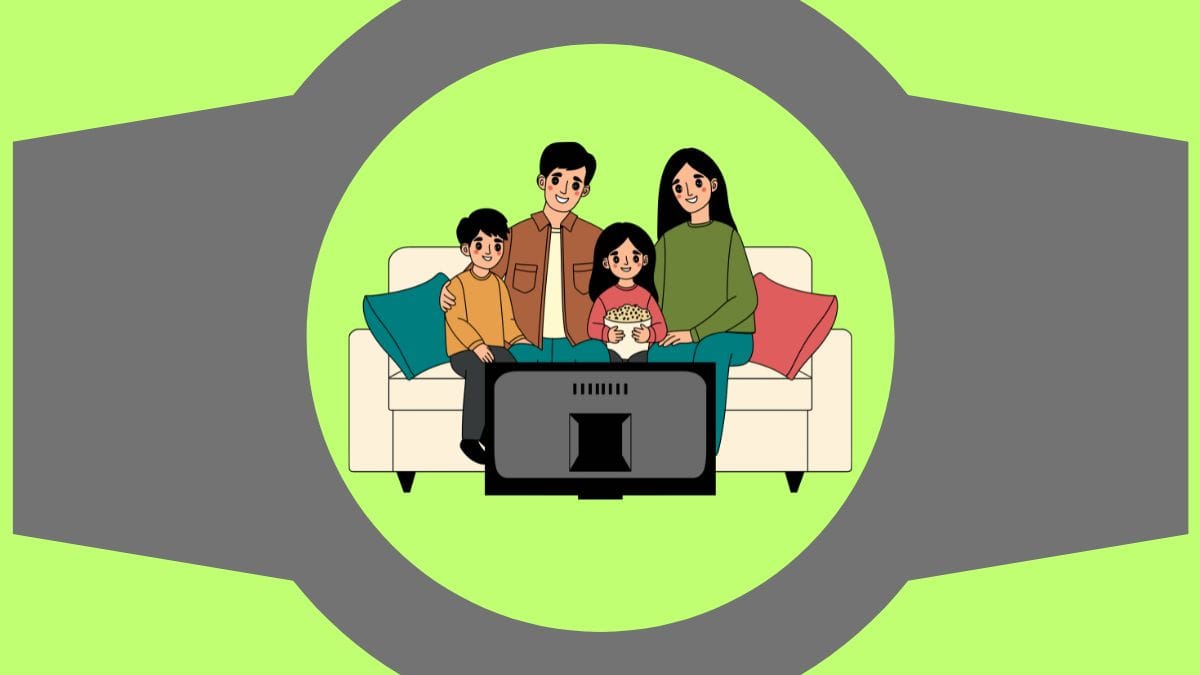
Measuring TV viewing is hard. Even using big data, it is tough to measure how many devices are being served content and commercials. The next level of difficulty is counting how many people–if any–are actually in the room and watching when a show or ad airs.
That’s data people will pay for. Last month, Viant paid $40 million to buy TVision. TVision has a panel of viewers who agree to be on camera while they watch TV. TVision is best known for using its panel to determine how much attention viewers are paying to what’s on the screen. But it also provides good data about how many people are in the room. TVision’s method seems to be a lot more believable than most of the estimates used to provide co-viewing data.
Nielsen is looking to boost its co-viewing game. The technology it used in a test is a wristwatch-like device that its panelists wear that can detect signals from programs and commercials. The device is already being employed for Nielsen's measurement of out-of-home viewing, which has been adding viewers to football games and other sports telecasts to the delights of ad-selling sports programmers. [READ MORE]
MORE WORTH READING
Kohl's Hallmark Ads Drive Rapid In-Store Conversions
Social Video Insights for Brand, Publisher World Cup Strategies
Duluth Trading's 'Overworked Butt' Campaign Resonates With Men