
Viewers Are Saying ‘WTF’ to AI-Related Super Bowl Ads

AI will play a part in multiple Super Bowl ads this Sunday, but data from iSpot suggests that many of the campaigns — whether created with AI or promoting AI products and capabilities — aren’t scoring touchdowns with viewers.
Of the AI-related Super Bowl LX teasers and pre-releases that have been tested so far by iSpot’s Creative Assessment, most of them have “WTF” as a top viewer emotion/reaction. There's also scoring remarkably low for attention, likeability and watchability. Ring is a notable exception, more on that below.
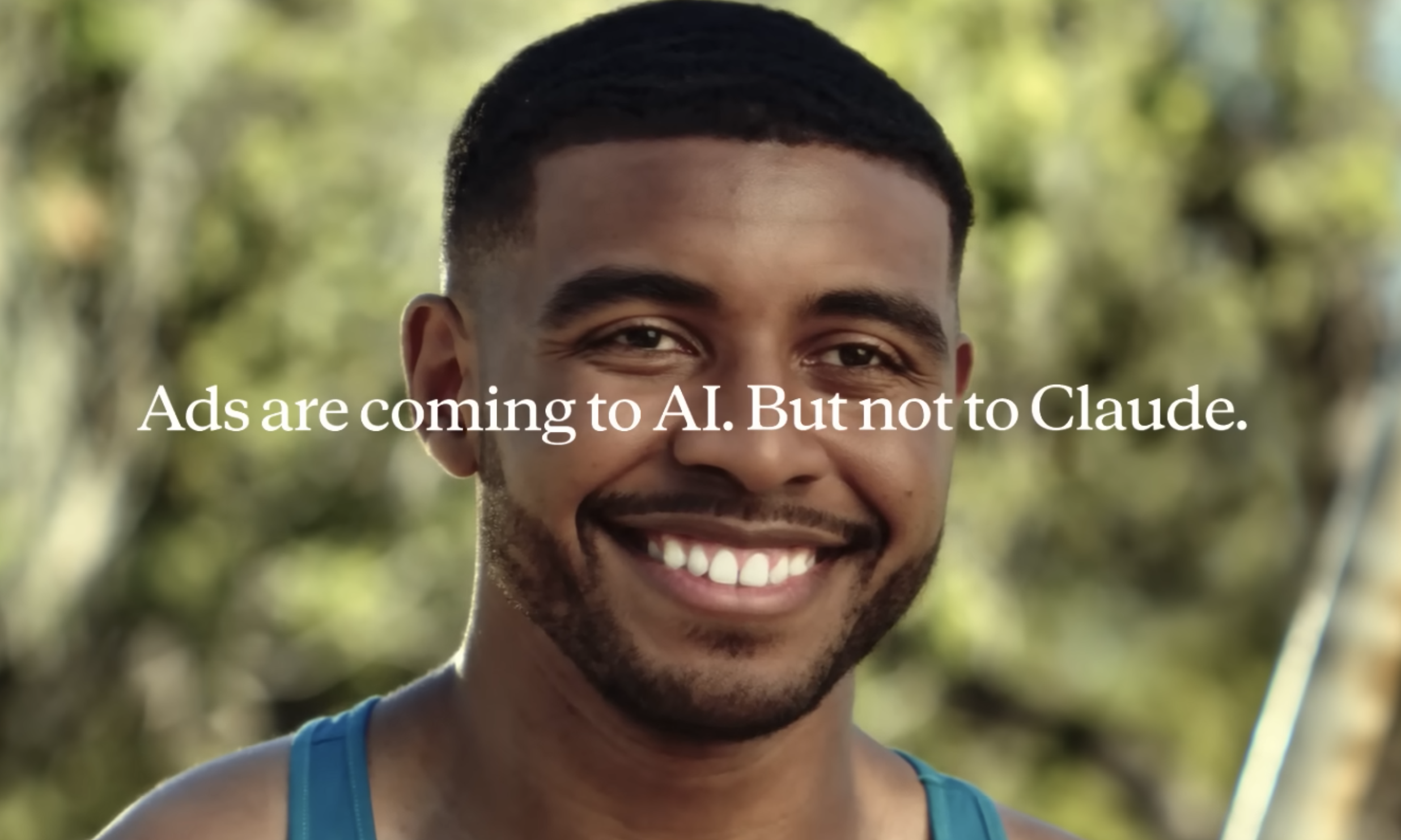
Anthropic’s Big Game spot for Claude alludes to the fact that ads are coming to ChatGPT (blatantly enough that OpenAI’s Sam Altman got defensive on X). While it may have gotten OpenAI’s attention, regular viewers were far less interested: For the tech category, the spot scored in the 4th percentile for attention, the 5th for likeability and the 6th for watchability. In addition to “WTF,” the top viewer emotions/reactions were “dislike” and “awful.” One male viewer 36-49 years old commented, “What the hell was that? It was so awkward and pointless. It started out like a fitness commercial and then I heard the words "Six Pack" and then I thought it was a beer commercial….I have absolutely no idea what the hell I just saw.”
Svedka’s teaser is another example of what isn't working. Viewers instantly clocked the AI-created robots and responded with words like “weird” and “surreal” in addition to “WTF,” with very little emotional connection to the brand itself (it has a notably low brand match of 7%, vs alcoholic beverage industry norm of 63%). The music got some love (25% said it was the “single best thing”), but almost everything else fell flat. One female 36-49 years old remarked, “Not sure why they had to steal a real person's dance and turn it into a weird ai driven blade runner wannabe. It frankly was weird, and not sure what they were going for with this ad.”
Wix’s teaser, while more subtle and human-led, still sparked backlash, including from younger viewers who saw it as dismissive of real creators and designers: One female 16-20 said “terrible, AI art in the form of website designing when actual website designers exist.” It barely held viewers' attention at all, scoring in the 4th percentile.
Even brands that downplay the AI angle, like Base44, aren’t exactly breaking through. Their Super Bowl ad avoids overt AI messaging, but it still struggled to capture attention (5th percentile), likeability (3rd) or watchability (7th).
An interesting exception this year is Ring’s “Be A Hero In Your Neighborhood,” promoting the company’s Search Party feature that harnesses AI to find lost dogs. That message is something viewers are totally on board with: It scored in the 100th percentile for attention and likeability and the 99th for desire and relevance. In fact, across all categories, it’s the No. 1 most-liked Super Bowl LX ad that iSpot has tested thus far. Nearly a third of surveyed viewers said the message was the “single best thing” about the ad.
Beyond the Super Bowl, marketers have to walk a fine line with AI. A recent study from Animoto found that while 84% of marketers are already using AI in video, 36% of consumers say AI-generated videos lower their trust in a brand. And nearly 83% of consumers believe they can spot AI-generated video, citing robotic gestures, unnatural voices and lack of emotion as key giveaways.