
Outcomes Grow As Critical Factor in Upfront Buying: iSpot Report
Spending on TV to remain the same or decline from last year, according to more than 50% of marketers surveyed

At TV upfront presentations taking place this week, marketers’ attention is turning to outcomes as they decide how to spend their advertising dollars.
A new survey of marketers from iSpot found that business outcomes was the most critical factor when buying and negotiating media buys. Outcomes was chosen by 45.5% of respondents. iSpot said the emphasis on outcomes reflects the growing use of TV as a performance medium.
Other factors cited by respondents to the survey were verified ad delivery, named by 28.5%, efficiency (14.5%) and program ratings (9%).
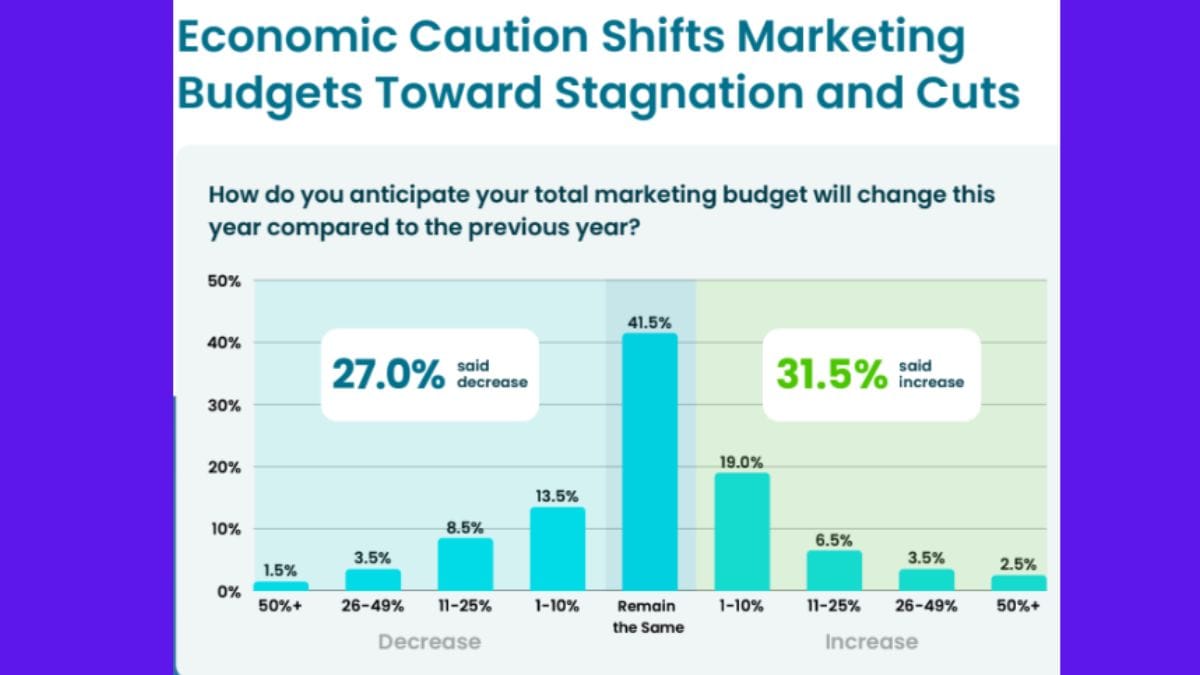
The shift to outcomes will be a driver of a slightly less robust market than last year. According to the survey, 73% of respondents said their marketing budget will be the same (41.5%) or higher (31.5%), this year versus last year. In last year’s survey 80% expected budgets to increase or stay the same.
Spending on TV will remain the same or decline from last year, according to more than 50% of the marketers. On the other side of the coin, 50% expect spending on social video (including YouTube), streaming and national CTV to increase. That’s reflected in upfront plans where 47.5% said they expect their budgets to stay the same, while 20.5% expect an increase and 32% anticipate a decrease.
“This year’s survey results confirm that while every platform is racing to prove value within its own environment, marketers are realizing that optimizing in a vacuum isn’t enough,” said Julie Van Ullen, president & chief revenue officer at iSpot.
“To truly justify and optimize spend, brands need a holistic source of truth that provides deduplicated insights across every screen and service,” Van Ullen said. “While individual publishers can show outcomes within their own walls, the ability to see the total, unified impact of an investment is what allows advertisers to move beyond fragmented data and invest with absolute confidence.”
Artificial intelligence will be a factor in this year’s upfront, with 80% of marketers saying they’re already using AI as part of their video strategy.
At the same time, 45% of marketers said they were worried about how reliable the results they get from AI are. Their biggest concerns about using AI for marketing were accuracy, bias and a lack of transparency.
While there is a lot of data flowing around the industries, ad buyers said they wanted more. They said streamers don’t provide enough programming data, data about the linear/streaming viewer overlap or attention metrics.
“Without these building blocks of efficient TV ad spend measurement, marketers struggle to optimize commitments through these streaming partners without third party involvement,” the report said.
And at a time when the digital and social clients offer internal numbers for campaign delivery, marketers still believe that third party measurement is essential to optimize media buying, with 68.5% agreeing and 30.5% who disagreed.
With YouTube becoming a bigger part of the video marketplace (and holding a Brandcast during upfront week), iSpot notes that Google has integrated YouTube into iSpot’s Unified Measurement platform.
“Now brands can deduplicate reach and frequency across YouTube, linear and streaming ad investments–measured with the same methodology and data sources, so every comparison is apple to apples,” the iSpot report said.
iSpot said it surveyed more than 200 marketers from brands, advertisers and agencies that buy TV campaigns. The survey was distributed from March 25 to April 27.