
How PepsiCo Navigates the "Purity" Play in "The Renaissance of Snacking"
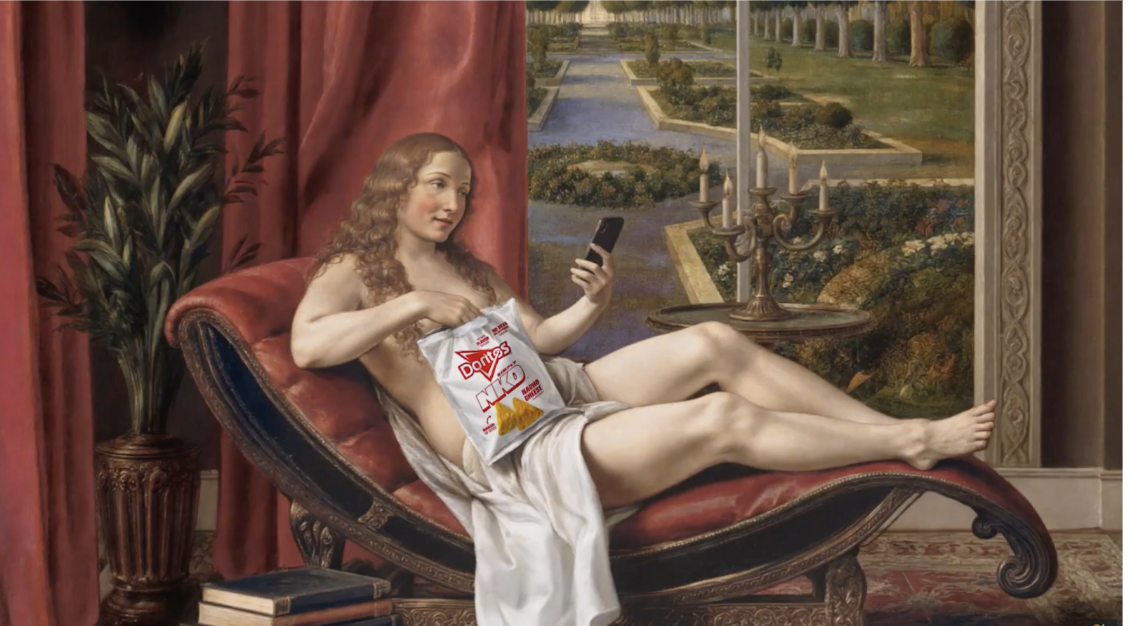
PepsiCo is currently restructuring its North American portfolio to accelerate innovation and deliver a clearer strategic direction, a move driven by a $4 billion stake from Elliott Investment Management. As part of this evolution toward simpler, more transparent products, the company recently launched the Simply NKD line for Doritos and Cheetos. The debut is anchored by a cheeky, over-the-top Renaissance-inspired campaign designed to highlight the "purity" of snacks reimagined without artificial dyes or flavors.
According to iSpot, while the campaign successfully breaks through the noise, its bold execution is a double-edged sword. Moving forward, the challenge for Frito-Lay will be balancing this artistic "mischief" with the brand clarity and product-centricity necessary to drive consistent purchase intent.
Top 5 Key Takeaways from "The Renaissance of Snacking" Campaign
- Elite Visual Impact, High Disagreement: The campaign's Renaissance visuals were rated as one of its most impressionable aspects, scoring well above the average candies and snacks benchmark. However, the creative was highly polarizing, ranking in the 99th percentile for viewer disagreement with a Polarity Score of 69.
- Message Breakthrough for Health-Conscious Consumers: The "no artificial dyes or flavors" message successfully reached viewers who had previously stopped buying these brands due to ingredient concerns. For this specific subset, the artistic approach felt clever and original.
- Risky Concept Limits Purchase Intent: The "butt naked" wordplay and nudity-adjacent imagery led to significant pushback, with 12% of viewers reporting decreased purchase intent—double the category average. Critics deemed the concept "inappropriate" for kids and teens, suggesting a need for alternative executions during family-viewing dayparts.
- Concept Overshadows Product Detail: Viewer sentiment indicated that the campaign leaned too heavily on its artistic theme, often failing to show the actual product until the final five seconds of the ad. This delayed focus led to a purchase intent score of 51%, trailing the category norm of 61%.
- Fragmented Brand Recall: The combination of two distinct brands (Doritos and Cheetos) in one ad, combined with distracting visuals, muddied brand attribution. While viewers remembered "NKD" or "Naked," many were left confused as to whether the products were a new combined offering or separate reformulations.
Ultimately, "The Renaissance of Snacking" represents a daring departure from Frito-Lay's typical general-audience entertainment. While it succeeds as a symbolic proof point for PepsiCo's modernization, its polarizing nature and muddled brand recall suggest that leading with product benefits—rather than conceptual metaphors—might yield more consistent business outcomes. By integrating clearer product shots and emphasizing health benefits earlier in the spot, PepsiCo can better convert high-attention visuals into measurable sales lift.
