Advertisers Score With Huge World Cup Audiences
New Balance soccer commercials scores high for Attention and Likeability
A record number of people are tuning into the World Cup and getting to see an exciting brand of soccer, with legends like Lionel Messi and Kylian Mbappé putting balls into the net.
That big audience is also seeing some commercials that score as well. According to data from iSpot, some of the most-seen spots during the tournament have been outperforming ad norms over the past 30 days.
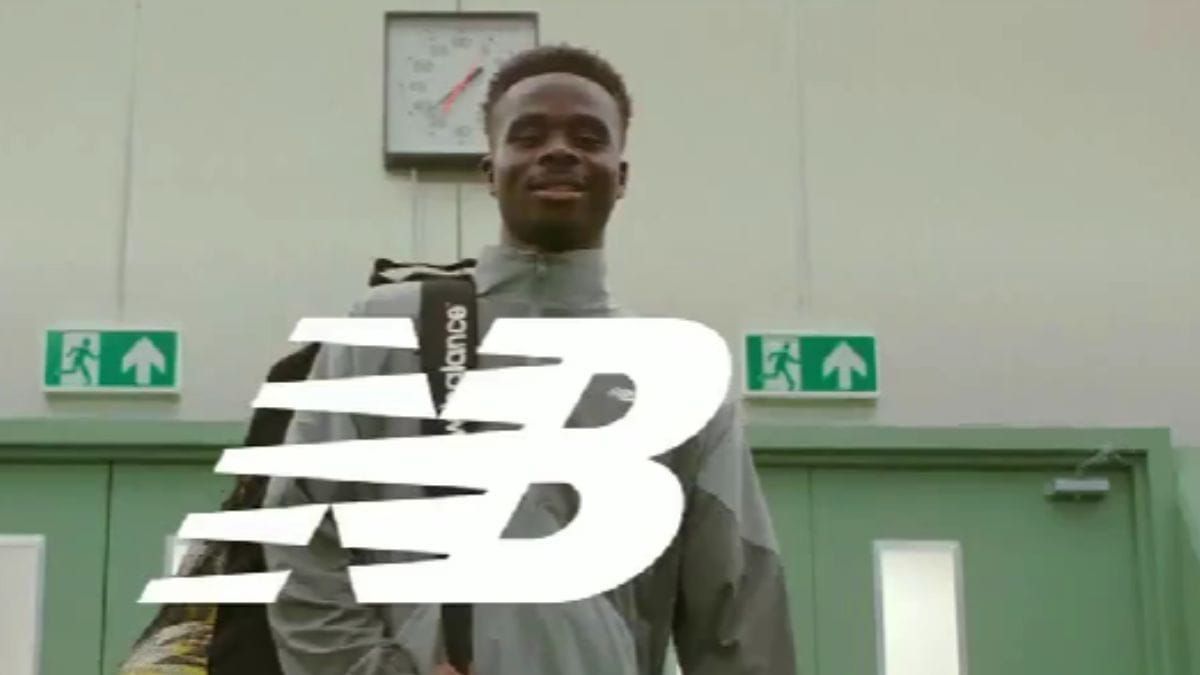
One example is New Balance’s "We Got Now: Soccer Drills" spot, which is the most-seen brand commercial during the World Cup so far. iSpot says the spot has attracted 9% more attention than the norm for apparel ads. It is also 15% more likeable than the norm for the category.
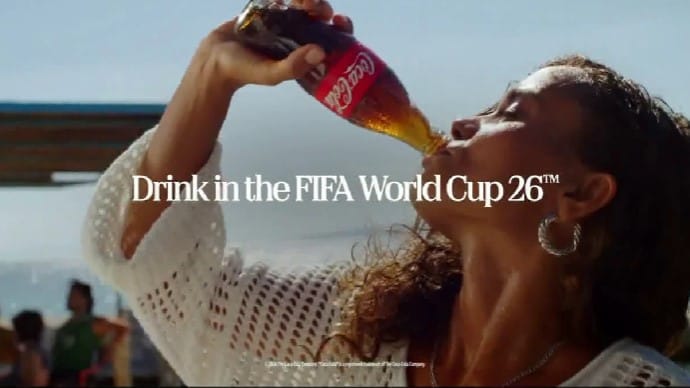
The “Drink It In” commercial Coca-Cola has been airing has been 7% more likeable than the norm for non-alcoholic beverages and garnered 5% more attention.
Indeed is running a commercial called “Feel Seen Again” that is outperforming other technology spots. It is registering 18% in effectiveness and 13% higher in likeability, iSpot said.
Other brands airing ads in high rotations that have broken through during the tournament include The Home Depot, Nike and Michelob Ultra.
Speaking of the World Cup, in social media, video content related to the soccer tournament has generated 146.8 million views since kickoff on June 11, according to data from Tubular Labs.
Messi, from Argentina, and Cristiano Ronaldo of Portugal have generated the most conversation on YouTube, with 6.2 billion and 5 billion views respectively.
A Belgian content creator named Celine Dept has the most World Cup views other than FIFA’s official account. Dept has gotten 1.6 billion views since the tournament began.
One video recapping Argentina's win against little Cape Verde from iShowSpeed is the single most-seen video about the World Cup with 202 million views.
The American team might have lost to Belgium on Monday, but U.S content creators have the highest share of World Cup video views on YouTube, TikTok and Instagram. Brazil had been the leader before the games began to be played.
The Knicks Drove Even Viewers Who Hadn’t Watched NBA Gets to The Set
Speaking of sports, new data from Madhive shows that the New York Knicks' thrilling championship run drove fans who had never watched an NBA game on TV to tune in for the first time.
On the night the Knicks beat the Spurs in Game 5 to earn their rings, 819,000 New York households tuned and 74% were casual or brand new fans who didn’t typically watch regular-season NBA contests, Madhive said
Of those new fans, 29% activated early, tuning in before the end of the first round of the playoffs.
There were 160,000 N.Y. households that tuned in for their first-ever NBA game during the Finals, with the number of newcomers peaking during Game 3, the first home game, and Game 5, the clincher.
New Jersey behaved as if it were the "sixth borough” of New York, driving 29% of the viewing across the whole region.
Vevo Finds Nostalgic Video Can Connect with Younger Consumers
Few things feed nostalgia more than music. Vevo is taking advantage of the connection music make with a new nostalgia-based buying capability
The new ad product is based on research that surveyed about 2,000 Gen Z, Millennial and Gen X consumers in the U.S., U.K. and Australia. The study found that nostalgia impacts consumer behavior and brand engagement across generations. Younger generations have seen and heard so much from the past that they can have nostalgia for music and other cultural stimuli that come from a time before they were even alive.
The research found that 65% of Gen Z said they experienced “borrowed nostalgia about events they are too young to remember. One in three said they feel they were “born in the wrong generation.”
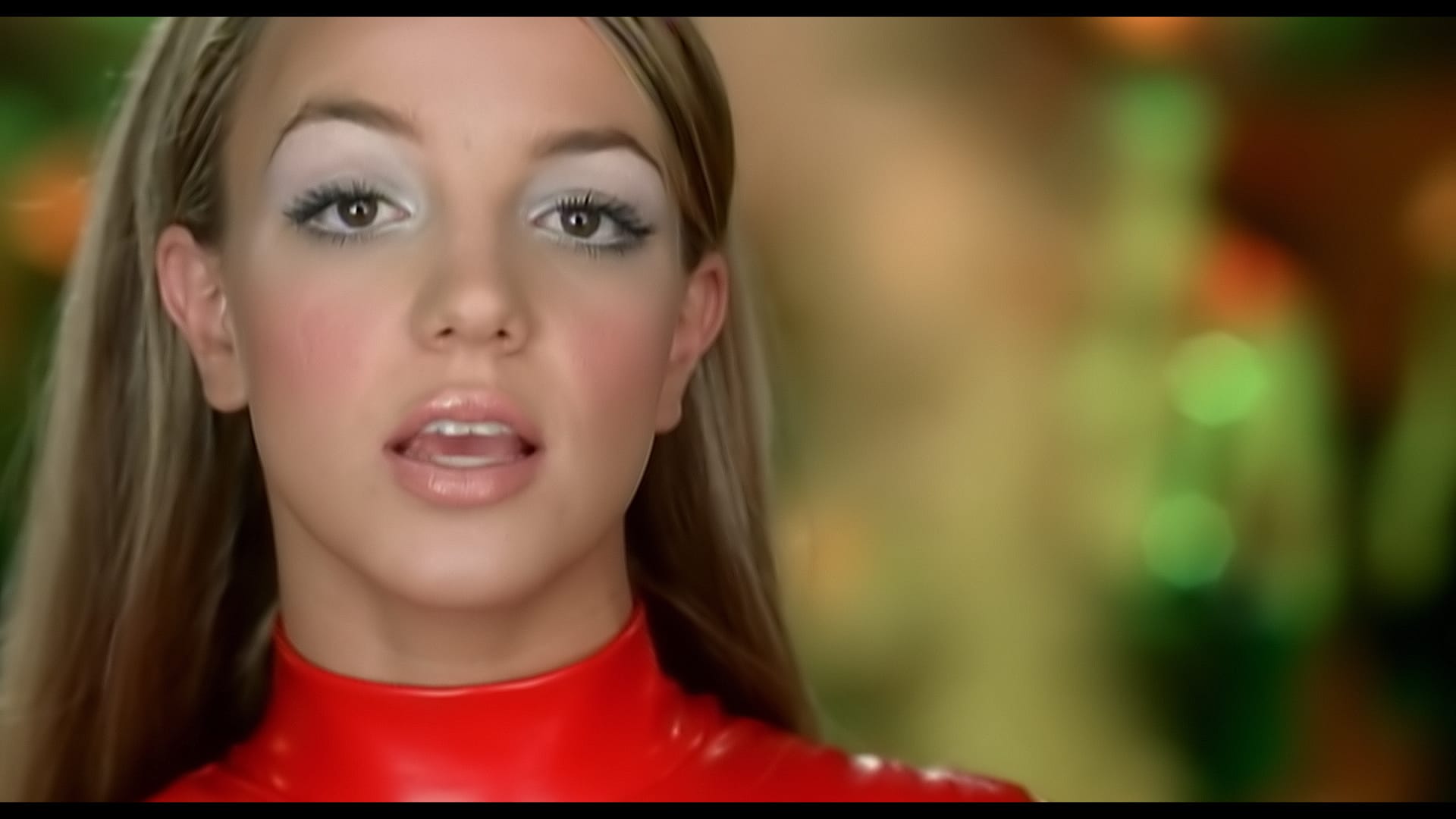
Current performers are increasingly channeling borrowed nostalgia through retro-inspire visuals, styling and fashion in new music video releases, and that is giving brands new ways to align with familiar cues that feel both authentic and culturally current, Vevo found.
“Nostalgia is no longer just about looking back – it’s become a powerful way audiences connect with culture in the present,” said Rob Christensen, executive VP, global sales, at Vevo. “As consumer behaviors continue to evolve, advertisers need strategies that balance both current cultural moments and timeless catalog content. Through Vevo Evolve, brands can now more intentionally align with nostalgic music moments that audiences already feel deeply connected to, helping drive more meaningful engagement across generations.”
Vevo said the research indicates that nostalgic content can be effective for brands looking to build stronger audience relationships. Many advertisers focus their buys on new releases and premieres, but the research suggests they ought to incorporate nostalgic content as part of a broader strategy.
People in the study said that nostalgic content is 22% more effective at building connections, compared with newer content. It also tends to strengthen relationships with long-standing customers.
“Nostalgic content doesn’t just resonate with audiences who experienced these moments firsthand – it also connects with younger viewers discovering them for the first time,” said Laura Vanison, VP, Research & Measurement at Vevo. “By balancing premiere moments with culturally resonant catalog content, brands can build strategies that reach audiences across generations in more authentic and emotionally relevant ways.”
Stat Social Builds AI Focus Groups
Can you have a focus group without recruiting real people as part of the group? StatSocial launched Focus Group, which it says is populated by artificial participants whose responses to questions are grounded in real buyer behavior and not an AI prompt.
Users of Focus Group can throw questions at the whole room and get their responses. Or they can go one-on-one with a single member to better understand their responses.
"Brands have always deserved a qualitative read grounded in real behavior and weighted so you know whether a voice speaks for hundreds of your buyers or just one. That has never been easy to get," said David Barker, CEO of StatSocial. "Focus Groups changes that. When every respondent traces to real people, and every quote carries a weight, teams stop defending the methodology and start acting on the insight."
StatSocial said Focus Group runs on its PeopleGraph and KnowledgeGraph technologies, which are built on large-scale deterministic data and continuously validated against real-world benchmarks
tvScientific Launches Program To Certifying Measurement Providers
tvScientific launched a Certified Measurement Partner Program designed to recognize measurement providers that provide an acceptable level of accuracy, transparency and performance across performance-based TV campaigns.
The first outfits to sign up are INCRMNTAL, Measured, Singular and WorkMagic.
“Performance TV is becoming a critical growth channel for advertisers, but measurement fragmentation continues to create uncertainty around what’s actually driving outcomes,” said Jason Fairchild, CEO of tvScientific by Pinterest. “This program delivers measurement interoperability that gives advertisers the flexibility to work with any measurement partner they choose, which is foundational to the 'trust but verify' philosophy that gives marketers absolute confidence in their results.”
The Certified Measurement Partner is designed to bring together trusted measurement and analytics providers to help advertisers better understand the business impact of Connected TV advertising.
“Incrementality has become an essential part of understanding media effectiveness, particularly as advertisers seek greater accountability across streaming environments,” said Maor Sadra, CEO and Co-founder of INCRMNTAL. “Through our partnership with tvScientific by Pinterest, advertisers can better quantify the true business impact of their Performance TV investments and make smarter decisions about where and how they allocate spend.”